


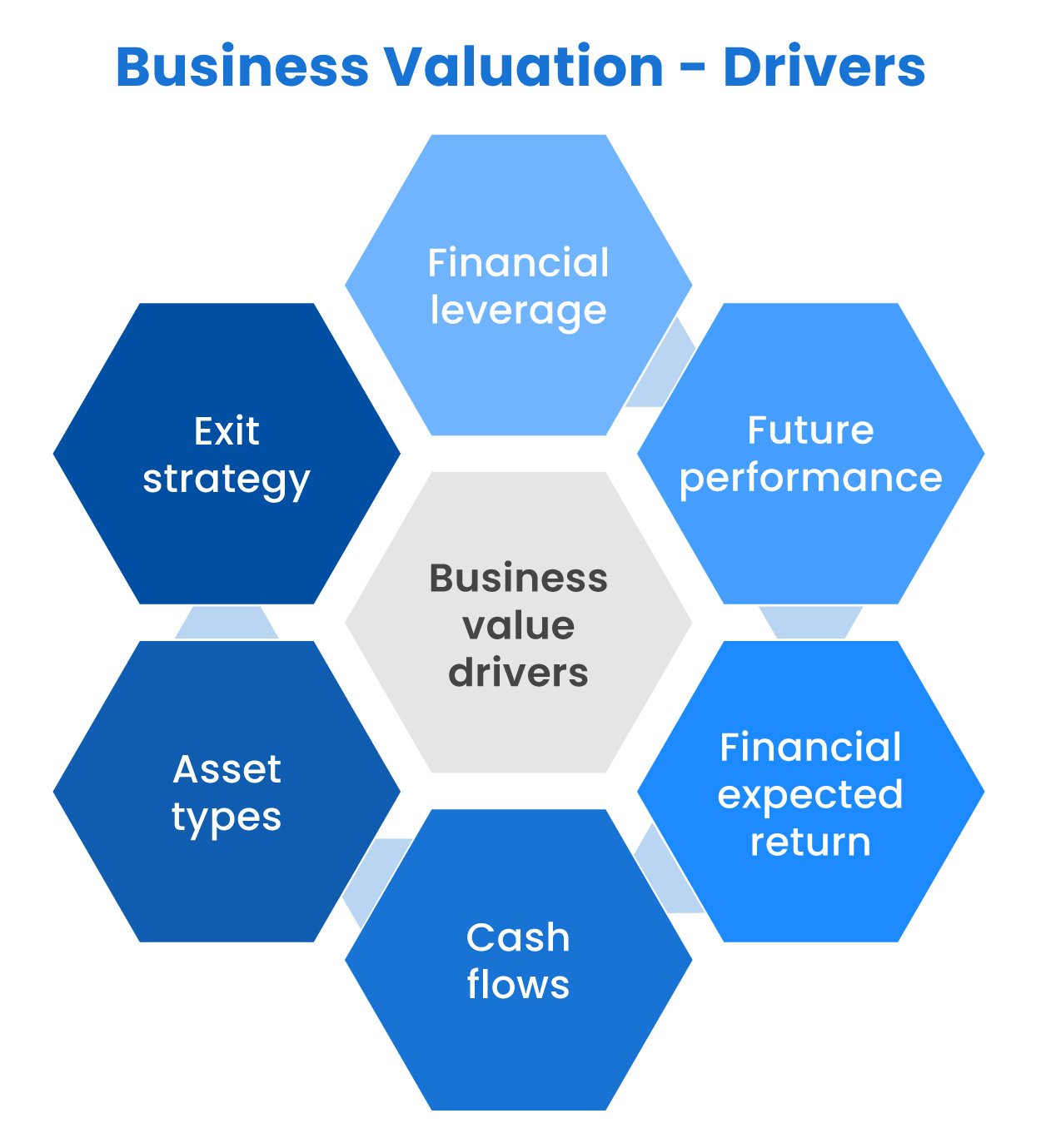

How much is my business worth?” is one of the most common questions business owners ask — and one of the hardest to answer honestly. Ask three different people and you might get three different numbers: what you think it’s worth based on years of effort, what an accountant calculates from the balance sheet, and what an actual buyer is willing to pay in the current market. Only one of those numbers really matters when it’s time to sell.
At Lee Brokers, based in Quincy, Massachusetts, we work with business owners across Greater Boston who are preparing to sell, bring on a partner, plan for retirement, or simply want to understand where they stand. This guide walks through how business valuation actually works, the methods professionals use, and what tends to move the number up or down.
Why Business Valuation Isn’t Just One Number
A business valuation isn’t a single formula you plug numbers into and get a definitive answer. It’s closer to an informed estimate built from multiple methods, then adjusted based on real-world factors like market conditions, buyer demand, and the specific risks or strengths of your company. Two businesses with identical revenue can have very different valuations depending on how dependent they are on the owner, how diversified their customer base is, and how well-documented their financials are.
This is why business owners are often surprised — sometimes pleasantly, sometimes not — when they get a professional valuation instead of relying on a rough industry rule of thumb.
The Three Main Approaches to Business Valuation
Professional valuations generally rely on one or more of three core approaches. Most credible valuations blend elements of all three rather than relying on just one.
1. Asset-Based Valuation
This approach calculates value based on the company’s total assets minus its liabilities — essentially, what would be left over if the business were liquidated today. It includes physical assets like equipment and inventory, as well as intangible assets like patents or trademarks, when applicable.
Asset-based valuation tends to work best for asset-heavy businesses like manufacturing or equipment rental companies, but it often undervalues service-based or high-growth businesses where much of the real value lies in customer relationships, brand, or future earning potential rather than physical assets.
2. Earnings-Based Valuation
This is the approach most buyers actually care about, because it focuses on what the business generates in profit, not just what it owns. Common methods within this approach include:
- SDE (Seller’s Discretionary Earnings) multiples — common for small, owner-operated businesses
- EBITDA multiples — more common for larger businesses with management teams in place
- Discounted Cash Flow (DCF) — projects future cash flows and discounts them to present value, often used for businesses with strong, predictable growth
Earnings-based valuation typically applies an industry-specific multiple to your adjusted earnings. A restaurant might sell for 2 to 3 times SDE, while a specialized B2B service business with recurring contracts might command a higher multiple due to more predictable revenue.
3. Market-Based Valuation
This approach compares your business to similar companies that have recently sold, similar to how a real estate appraisal uses comparable home sales. It’s particularly useful because it reflects what buyers are actually paying in the current market, not just a theoretical calculation. The challenge is that reliable comparable sales data for privately held businesses can be harder to access than public real estate records, which is where an experienced business broker’s market knowledge becomes valuable.
Comparing the Three Valuation Methods
| Method | Best For | Main Limitation |
|---|---|---|
| Asset-Based | Asset-heavy businesses, liquidation scenarios | Often undervalues service and growth businesses |
| Earnings-Based | Most small to mid-sized businesses | Requires clean, accurate financial records |
| Market-Based | Businesses with active comparable sales data | Limited data availability for private companies |
What Actually Moves Your Valuation Up or Down
Beyond the formulas, real-world factors significantly influence what a buyer will actually pay. These are the ones we see make the biggest difference:
Owner Dependence
If the business can’t function without you personally — you hold the key relationships, make every decision, and have irreplaceable expertise — buyers see that as risk, and risk lowers value. Businesses with documented systems, a capable management team, and diversified client relationships consistently command higher multiples.
Revenue Quality and Predictability
Recurring revenue from contracts or subscriptions is valued far more highly than one-off project revenue, because it’s more predictable for a buyer stepping into the business. A business with 70% of revenue coming from long-term contracts will typically be valued higher than one with the same total revenue built entirely on one-time sales.
Customer Concentration
If one client represents 40% of your revenue, that’s a red flag to buyers, since losing that single relationship could significantly damage the business. A diversified customer base reduces perceived risk and supports a stronger valuation.
Clean, Well-Documented Financials
Buyers and their lenders need to trust your numbers. Businesses with clean, professionally prepared financial statements — ideally reviewed or audited — tend to sell faster and at higher valuations than those with messy books that require extensive due diligence to untangle.
Industry and Market Conditions
Valuation multiples shift with broader market trends, interest rates, and industry-specific demand. A business in a growing sector with strong buyer interest will typically command a higher multiple than an otherwise similar business in a declining or oversaturated industry.
Growth Trajectory
A business with three years of flat revenue is valued differently than one showing consistent year-over-year growth, even if current revenue is identical. Buyers are ultimately paying for future potential, not just past performance.
Common Valuation Mistakes Business Owners Make
- Relying on outdated industry rules of thumb (“businesses in my industry sell for 3x revenue”) without accounting for their specific circumstances
- Including personal expenses run through the business without properly adjusting earnings, which distorts the real profitability picture
- Waiting until they’re ready to sell to get a valuation, missing years of opportunity to improve the number beforehand
- Overestimating value based on emotional investment rather than what the market will actually support
- Underestimating the impact of owner dependence on how buyers perceive risk
When Should You Get a Business Valuation?
You don’t need to be actively selling to benefit from knowing your company’s value. Common reasons owners request a valuation include:
- Planning an eventual sale, even if it’s several years out — this gives time to address weaknesses before going to market
- Bringing on a business partner or investor, where a fair starting valuation matters to all parties
- Estate planning or succession planning, particularly for family-owned businesses
- Divorce or partnership disputes, where an objective valuation is often required
- Simply understanding where you stand, which can inform decisions about growth investments or exit timing
Why Local Market Knowledge Matters
Valuation isn’t just a national formula applied uniformly — local market conditions in Greater Boston and the South Shore genuinely affect what buyers are willing to pay, from industry concentration to regional demand for specific business types. A business broker with direct knowledge of the Quincy and Greater Boston market brings insight into recent comparable sales and active buyer interest that a generic online valuation calculator simply can’t replicate.
At Lee Brokers, our valuations combine standard financial methodology with real, current market knowledge from businesses we’ve actually helped sell in this region — not just national averages that may not reflect local buyer demand.
Final Thoughts
Business valuation is part science and part market reality. The formulas provide a starting framework, but the actual number a buyer will pay depends heavily on how well-documented your financials are, how dependent the business is on you personally, and current conditions in your specific industry and region. Getting an honest, professionally prepared valuation — well before you’re actually ready to sell — gives you the clearest possible picture of where you stand and what could realistically move that number higher.
If you’re a business owner in Quincy or the Greater Boston area wondering what your company might actually be worth, Lee Brokers is here to walk you through a clear, honest valuation grounded in real local market data.
Frequently Asked Questions
How is a business’s value typically calculated? Most business valuations combine asset-based, earnings-based, and market-based approaches, with earnings-based methods like SDE or EBITDA multiples being the most common for small and mid-sized businesses.
What’s a good multiple for a small business valuation? Multiples vary significantly by industry, ranging roughly from 2 to 4 times SDE for many small owner-operated businesses, though this can be higher for businesses with recurring revenue, strong growth, or reduced owner dependence.
Does owner dependence really affect valuation that much? Yes. Businesses that rely heavily on the owner for daily operations, key relationships, or specialized expertise are generally seen as higher risk by buyers, which typically results in a lower valuation multiple.
How often should a business owner get a valuation? Many business owners benefit from a valuation every two to three years, or whenever there’s a significant change in revenue, ownership structure, or long-term plans, so they always have a realistic picture of where they stand.